LISHWA TABLET
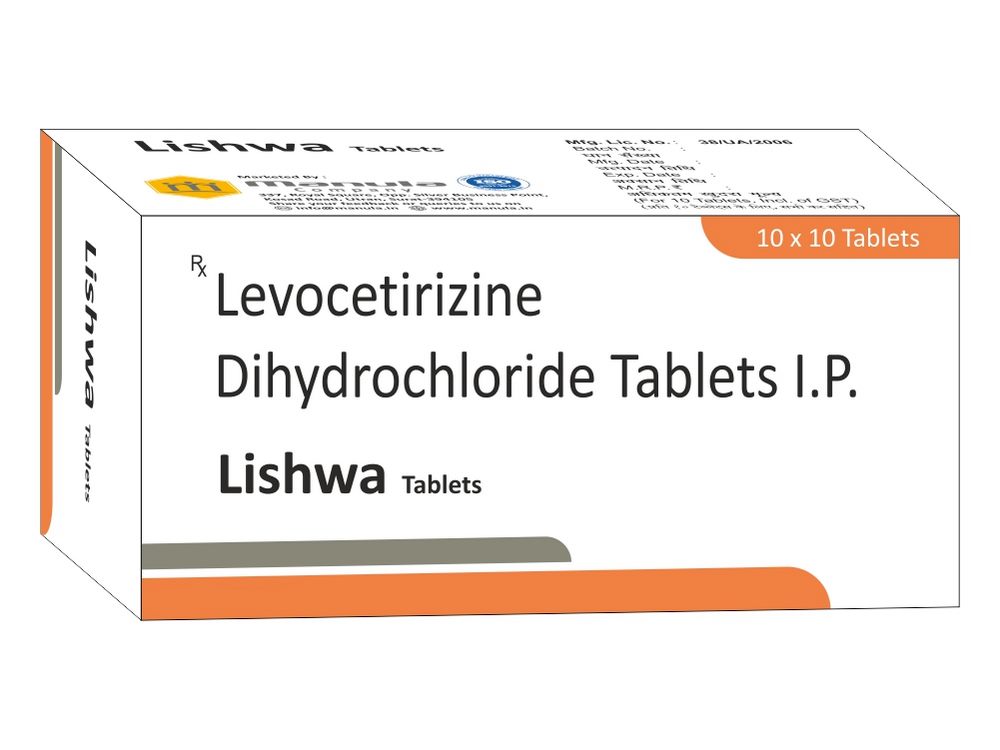
LISHWA TABLET
Levocetirizine 5 mg tablet
PACKING:-
10 Tablets in Strip
What is Lishwa?
Lishwa belongs to a class of medications called antihistamines. It is the active enantiomer of cetirizine, meaning it is the mirror image of the cetirizine molecule. This formulation is known for its potent antihistaminic properties, making it effective in alleviating allergic reactions.
Uses of Lishwa for Skin:
- Allergic Dermatitis: Lishwa is commonly prescribed to manage allergic dermatitis, a condition characterized by skin inflammation due to allergic reactions. It helps relieve itching, redness, and swelling associated with allergic skin conditions.
- Urticaria (Hives): Urticaria, commonly known as hives, is another condition where Lishwa proves beneficial. It works by blocking the action of histamine, a chemical released during allergic reactions, thereby reducing the symptoms of hives such as itching and welts.
- Pruritus (Itching): Levocetirizine is often recommended for alleviating itching associated with various skin disorders like eczema, psoriasis, and insect bites. Its anti-itch properties provide relief from discomfort caused by excessive scratching.
- Chronic Idiopathic Urticaria: In cases of chronic idiopathic urticaria, where hives occur without any identifiable cause, Lishwa can offer symptomatic relief by controlling itching and reducing the frequency and severity of flare-ups.
Dosage and Administration: The typical dosage of Lishwa for adults and children aged 6 years and older is one tablet once daily. It is preferably taken orally with water, with or without food. It is essential to follow the prescribed dosage and administration instructions provided by your healthcare provider or as indicated on the medication label.
For children under 6 years of age, the dosage may vary based on their weight and the recommendation of a healthcare professional. Always consult a pediatrician before administering Levocetirizine or any medication to children.
It is important to avoid exceeding the recommended dosage unless instructed by a healthcare provider, as higher doses may increase the risk of side effects without providing additional benefits.
Side Effects: While Lishwa is generally well-tolerated, some individuals may experience side effects. Common side effects include:
- Drowsiness: Levocetirizine may cause drowsiness or sedation in some individuals, especially when taken at higher doses. It is advisable to avoid activities requiring mental alertness, such as driving or operating machinery, until you know how the medication affects you.
- Dry Mouth: Dry mouth is a common side effect of Levocetirizine, which can be managed by staying hydrated and practicing good oral hygiene.
- Headache: Some people may experience mild headaches while taking Levocetirizine. If headaches persist or worsen, consult your healthcare provider.
- Fatigue: Levocetirizine may cause fatigue or tiredness in some individuals. Avoiding strenuous activities and getting adequate rest can help alleviate fatigue.
- Gastrointestinal Symptoms: Levocetirizine may rarely cause gastrointestinal symptoms such as nausea, vomiting, or diarrhea. If these symptoms are severe or persistent, seek medical attention.
It is important to note that not everyone will experience these side effects, and the likelihood of experiencing them may vary from person to person. If you experience any severe or persistent side effects, discontinue the medication and consult your healthcare provider.
Precautions and Warnings: Before taking Lishwa, inform your healthcare provider if you have any allergies, medical conditions, or if you are taking any other medications, including over-the-counter drugs and herbal supplements. Certain medications and medical conditions may interact with Levocetirizine, leading to adverse effects or reduced efficacy.
Additionally, exercise caution while taking Levocetirizine if you are pregnant, planning to become pregnant, or breastfeeding, as the safety of this medication during pregnancy and lactation has not been established. Consult your healthcare provider for guidance on the use of Levocetirizine in these situations.
Conclusion: Lishwa is a widely used antihistamine medication known for its effectiveness in managing various skin conditions, including allergic dermatitis, urticaria, pruritus, and chronic idiopathic urticaria. By blocking the action of histamine, Levocetirizine helps alleviate itching, redness, and swelling associated with allergic reactions, providing relief to individuals suffering from skin allergies and related symptoms.
Disclaimer:
The information contained herein should NOT be used as a substitute for the advice of a qualified physician. The information provided here is for informational purposes only. This may not cover everything about particular health conditions, lab tests, medicines, all possible side effects, drug interactions, warnings, alerts, etc. Please consult your doctor and discuss all your queries related to any disease or medicine. We intend to support, not replace, the doctor-patient relationship.